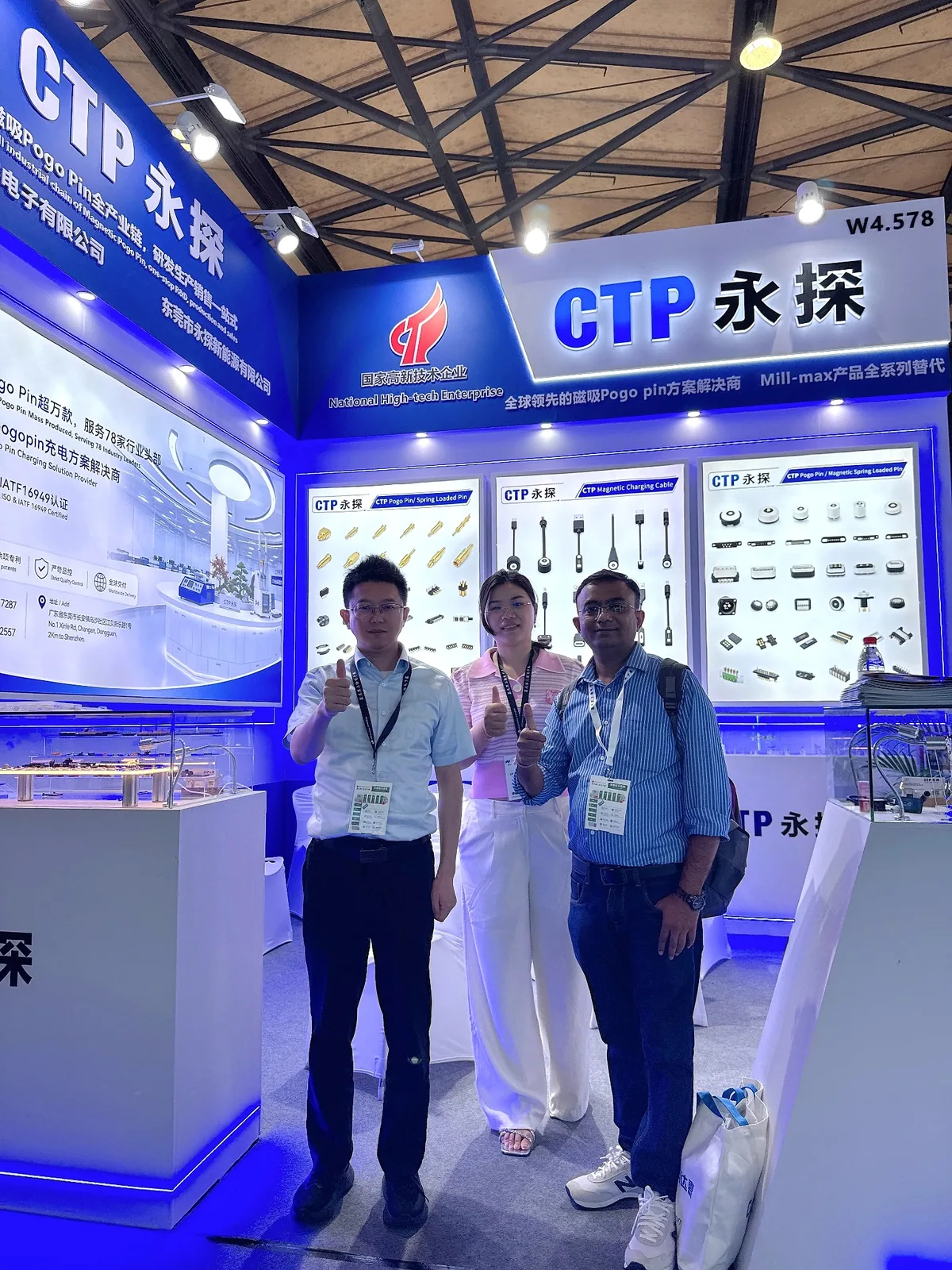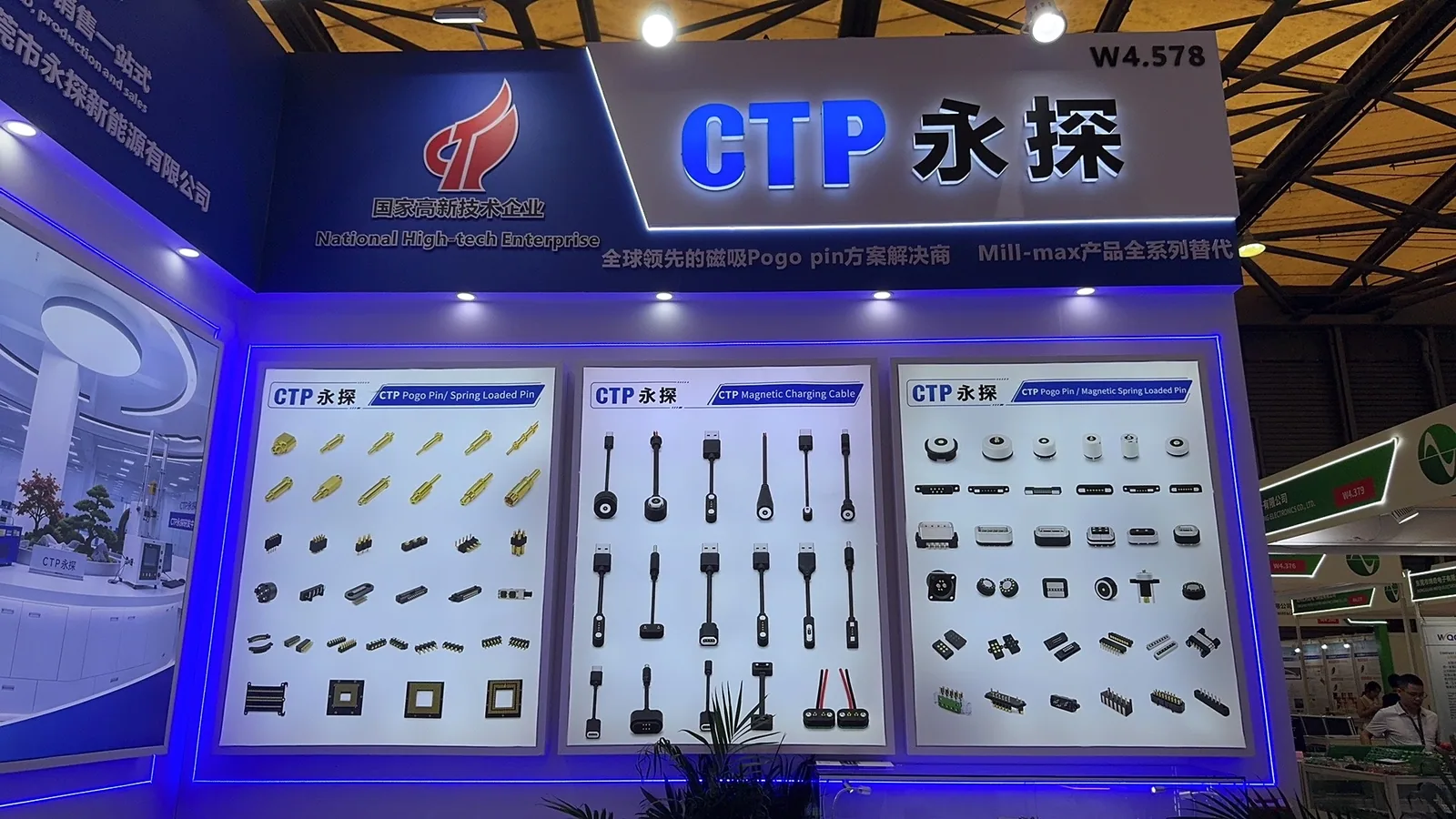
Next-generation magnetized terminals function as a appealing alternative to orthodox joining techniques. Affording profits like enhanced lastingness, effortless engagement, and diminished wear, they have the potential to drastically alter the instrument coupling arena. Although current issues, such as energy transfer and magneto force, consistent exploration and advancement suggest a encouraging future for this solution.
Learning about Attractive Strand Packages and Their Upsides
Certain magnetized strand collection serves as a developing solution for equipment feeding and metrics conveyance. That sort of composition traditionally features specific magnetic coupler that binds to the instrument, yielding ease of application and abated wear on these two receptacles. Gains include better sturdiness, averting link unraveling, and more convenient bonding. On top of that, they are especially beneficial for users with impaired flexibility.
Assessing Magnetic Cables and Regular Cables - A Report
When choosing a cable to connect your gadgets, you will generally come across both magnetic and traditional selections. Conventional links have been the custom for ages past, offering generally budget-friendly pricing but typically proving burdensome with erosion and inconvenience in plugging in. Magnetic strands, conversely, present a simple solution - their magnetic heads make engagement simpler, cutting down potential port breakage and offering a original feature. Nonetheless, they typically necessitate a larger initial investment and are likely to somewhat reduced charging speeds depending on standards.
Pogo Connector Technology – An In-depth Understanding into Formation & Utilizations
Spring contacts provide a distinctive system for elastic electrical junctions, increasingly used in a broad range of practices. These usually microscopic units act as springy plungers, ensuring a solid electrical pathway when pressure is imposed.Their structure generally features a fine-tuned crafted shaft and a coil permitting slight travel – this supports compensation for variation and vibration, important in portable electronics, medical appliances, and portable systems.
- Recurring applications comprise battery packs, charging sockets, and removable doors.
- Element selection – often composite or beryllium copper – influences conductivity and corrosion safeguarding.
- Style variations handle parameters like stroke length, force needs, and quantity of tracks.
Designing with Charged Adapters: Suitable Guidelines
Whenever designing items with charged adapters, take into account key elements. Primarily, guarantee the strength of the connector has the capacity to absorb the projected usage conditions and stop unexpected detachments. Second, consider manufacturing inconsistencies; slight mismatches could influence connector alignment and overall effectiveness. Finally, systematically verify the connection’s durability across various environments – entailing repeated attachment and detachment, plus exposure to diverse temperatures or conditions. Emphasizing user experience means providing a favorable perception with each connection and disconnection.
The Expansion of Magnetic Cable Methodologies in Commercial Electronics
An expanding shift is arising within the realm of user electronics: adoption of magnetic cable methods. Once a niche concept, these conductors, which employ magnets to attach and detach from devices, are now attracting significant attention among manufacturers and buyers. The gains, such as decreased wear and tear on charging receptacles—a frequent failure point magnetic cable assemblies in many devices—are persuasive.
- Diminished socket degradation
- Quicker connection
- Strengthened user experience
Creative Uses for Magnetic Cable Sets Beyond Powering
Beyond simple powering, magnetic cables formations reveal new operations.Whereas mostly marketed for their comfort of linking, these versatile parts offer a wider range of possibilities. Consider implementing them in mechatronics to enable safe transmission communication, or for building modular and reconfigurable digital displays.
- They equally enable meticulous actuation of delicate equipment within medical settings.
- Magnetic connectors have also affirmed usefulness in developing hardy and moisture-resistant underwater or dustproof machines.
Troubleshooting Common Issues with Electromagnetic Adapters and Pogo Connectors
Recognizing failures with polarized ports and tactile contacts often develop during instrument assembly. A ordinary malfunction involves lacking interface, causing patchy current transfer. Assess the plates for grime; cleansing with isopropyl liquid usually restores functionality. If force by the elastic pin seems lowered, or if positioning of the electromagnetic interface is skewed, a complete scrutiny of the assembly process may be needed. Finally, validate the link is free from breakage or showing symptoms of internal degradation.
Attracted Connector vs. Spring-loaded Pin: Which Is Appropriate for Your Build?
Settling on between magnetic connectors and pogo pins often forces a dilemma when building portable or compact tools. The judgment is contingent upon these project’s individual requirements. Magnetic connectors provide convenience – allowing quick, secure connections and disconnections, well-suited for wearables or often handled gadgets. Though, they generally carry lower current carrying capacity and may maintain slightly less reliable electrical contact compared to pogo pins. Pogo pins, instead, excel in applications requiring high current delivery, such as battery charging or powering larger components; their spring-loaded design supports a robust connection with generally better signal integrity but carries a hazard of mechanical wear and tear during extended use. Weigh factors like projected mating cycles, power demands, overall size limitations, and cost when choosing – magnetic connectors offer a user-friendly path while pogo pins furnish a more dependable electrical interface.
- Polarized Joints: Speedy connection, less wear
- Contact Pins: Increased current, potential fatigue